Understanding OSB Board: A Comprehensive Guide
- Jack Chan
- Jul 3, 2024
- 2 min read


Introduction
Oriented Strand Board (OSB) is a type of engineered wood similar to particle board, formed by adding adhesives and compressing layers of wood strands (flakes) in specific orientations. This blog post delves into the characteristics, applications, and benefits of OSB board, providing a clear understanding of why it has become a popular choice in construction and beyond.
Characteristics of OSB Board
OSB board is known for its unique structure, which involves layering wood strands in cross-oriented patterns. This specific arrangement enhances its strength and durability, making it a reliable material for various structural applications. Unlike plywood, which uses thin veneers, OSB uses larger wood chips, resulting in a distinctive appearance and texture. Additionally, OSB boards are manufactured in large, continuous mats, which can be cut to size, making them versatile for different project needs.
Applications of OSB Board
OSB board is widely used in construction due to its load-bearing capabilities and cost-effectiveness. It serves as a fundamental component in flooring, roofing, and wall sheathing. OSB's moisture-resistant variants make it suitable for use in environments where exposure to humidity is a concern, such as bathrooms and kitchens. Beyond construction, OSB is also utilized in furniture making, packaging, and even in the production of industrial containers, showcasing its versatility.
Benefits of Using OSB Board
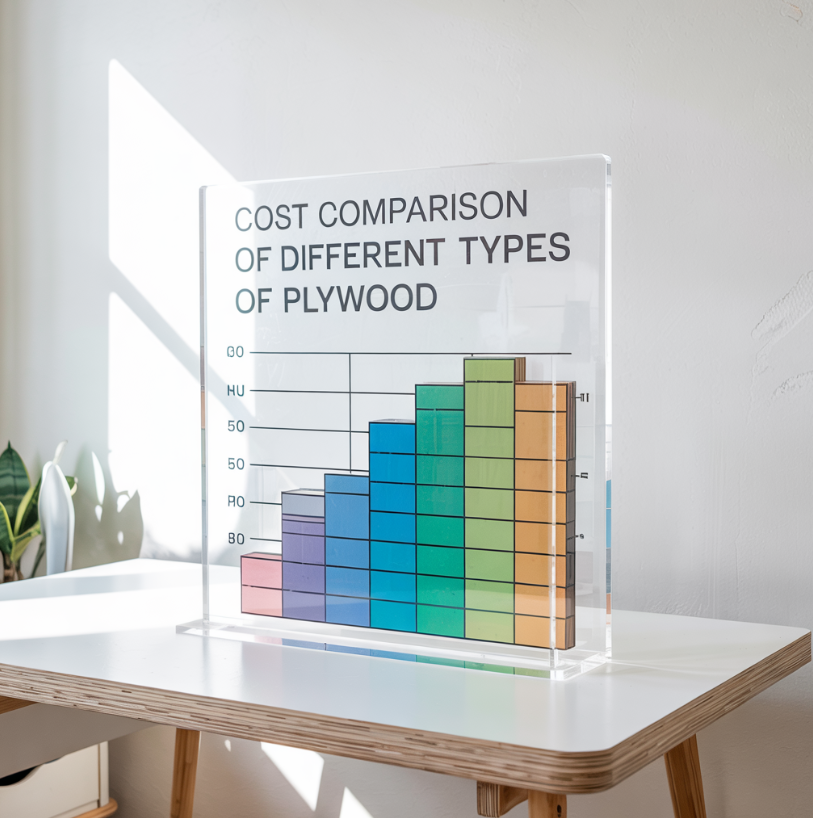
One of the primary benefits of OSB board is its affordability compared to other engineered wood products like plywood. This cost advantage does not come at the expense of quality, as OSB offers comparable strength and durability. Its manufacturing process, which uses fast-growing tree species, also makes it an environmentally friendly option. Furthermore, OSB's large panel sizes reduce the number of joints in a construction project, thereby enhancing the structural integrity and simplifying the building process.
Conclusion
OSB board stands out as a practical, versatile, and cost-effective material in the construction and manufacturing industries. With its unique characteristics, wide range of applications, and numerous benefits, it is no wonder that OSB board has become a preferred choice for many builders and manufacturers. Whether you're planning a new construction project or looking for an efficient material for various applications, OSB board is certainly worth considering.


Comments